


1. Carbohydrates: Your Body’s Main Fuel
Carbs often get a bad reputation, but they’re your body’s favorite source of energy. When you eat carbs, your body breaks them down into glucose — the fuel that powers your brain, muscles, and organs.
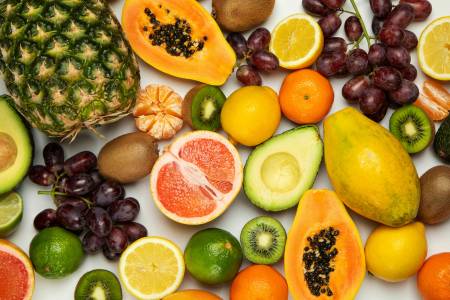
Best sources: Whole grains (like oats and quinoa), fruits, vegetables, legumes, and root vegetables.
What to limit: Refined carbs like white bread, pastries, and sugary drinks. These spike blood sugar quickly but leave you hungry again soon after.
Quick tip: Aim for complex carbs that digest slowly and provide fiber — they’ll keep your energy steady throughout the day.
2. Fats: Essential for Hormones and Brain Health
Despite the name, fats are not your enemy. They help your body absorb vitamins (A, D, E, and K), build cell membranes, and regulate hormones.
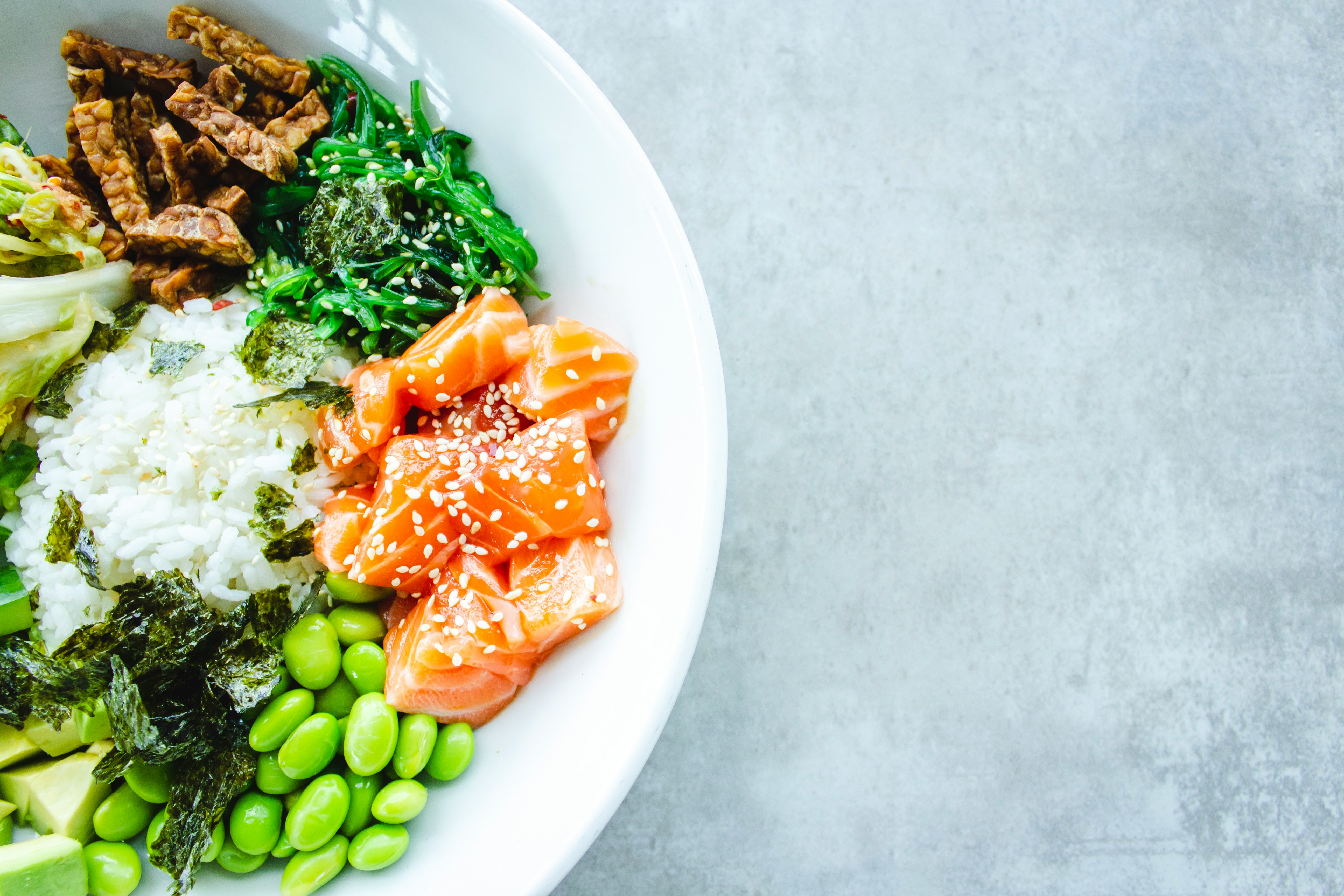
Healthy fats: Avocados, nuts, seeds, olive oil, and fatty fish like salmon or mackerel.
Fats to limit: Trans fats (found in processed snacks and fried foods) and excessive saturated fats (like butter and fatty red meats).
Quick tip: Think of fats as a nutrient for balance — too little can affect your mood and hormone health, but too much of the wrong kind can raise cholesterol.
3. Protein: The Building Block
Protein repairs tissues, supports your immune system, and helps build muscle. It’s made of amino acids, some of which your body can’t make on its own — so you need to get them from food.
Good sources: Chicken, eggs, dairy, beans, tofu, lentils, and fish.
How much do you need? Around 0.8 to 1 gram per kilogram of body weight is a good general target, though active people may need more.
Quick tip: Try to include a source of protein in every meal to stay full longer and keep your metabolism steady.
4. Finding Your Balance
There’s no one-size-fits-all ratio, but a balanced plate often looks like this:
-
½ fruits and vegetables
-
¼ protein
-
¼ whole grains or starchy carbs
-
A drizzle of healthy fats (like olive oil or nuts)


__thumb__250x250__70__a294efff8704949fb1e773c69b870e5f.jpg)