


1. The Difference Between Natural and Added Sugar
Not all sugar is created equal.
-
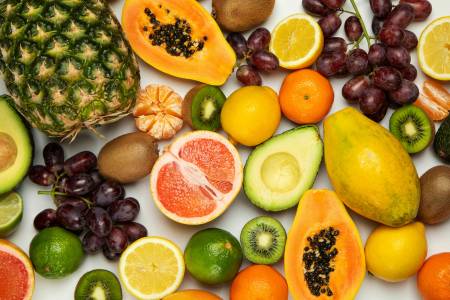
Natural sugars occur naturally in foods like fruit (fructose) and milk (lactose). These come packaged with nutrients, fiber, and water.
-
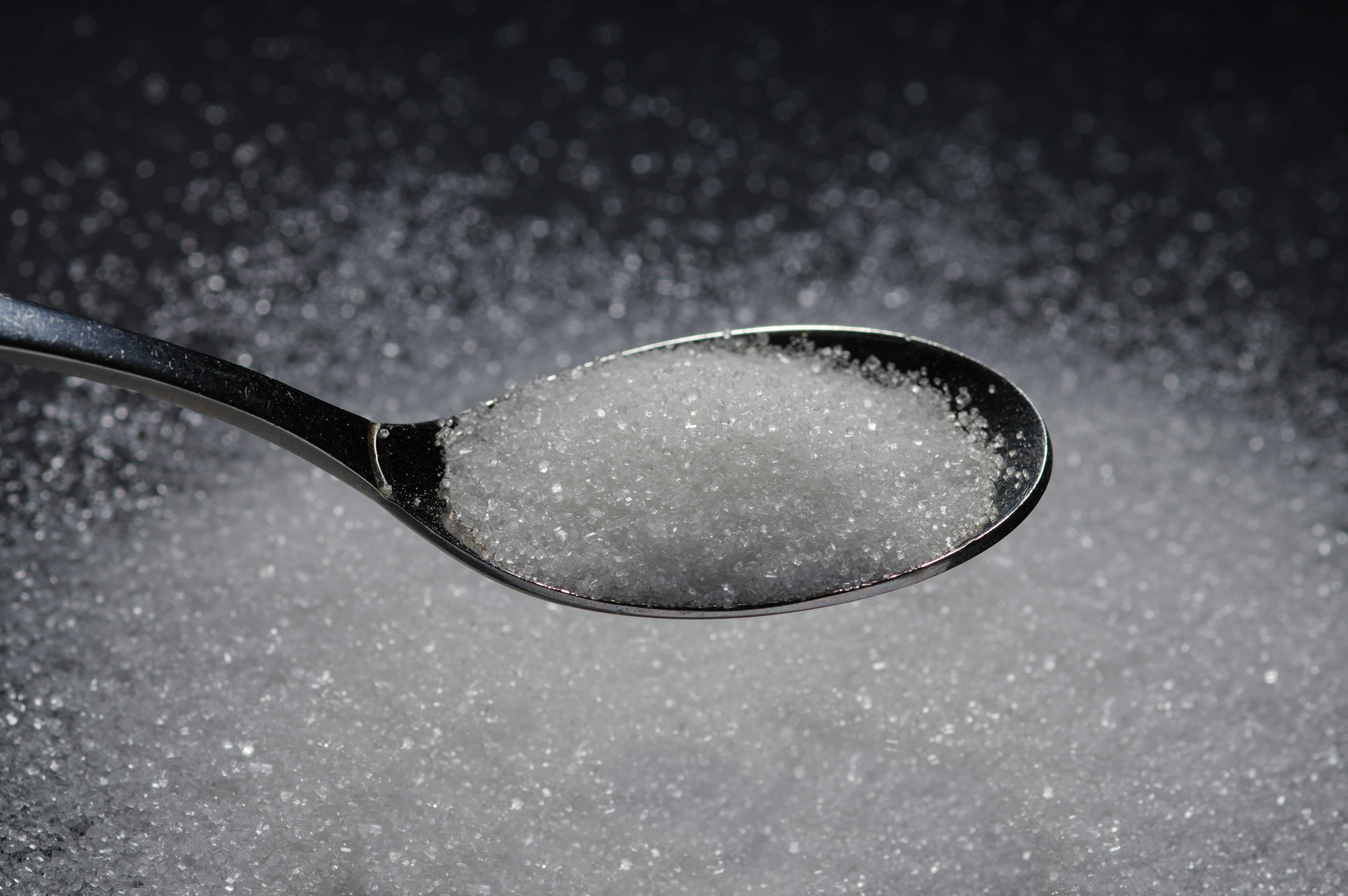
Added sugars are those manufacturers add to foods for sweetness or texture — think table sugar, corn syrup, or honey. These add calories but no nutritional value.
Even foods that look healthy, like granola or yogurt, can be packed with added sugars.
2. How to Read the Nutrition Label
Start with the “Total Sugars” line — this includes both natural and added sugars. The next line, “Includes Xg Added Sugars,” tells you how much was added during processing.
Tip: The American Heart Association recommends limiting added sugars to:
-
25g per day for women (about 6 teaspoons)
-
36g per day for men (about 9 teaspoons)
A can of soda alone often exceeds that limit.
3. The Many Names of Sugar
Manufacturers rarely use the word “sugar.” Instead, they list ingredients that sound more natural or scientific. Look out for these common aliases:
-
Words ending in “-ose” (glucose, fructose, maltose, dextrose)
-
Syrups (corn syrup, brown rice syrup, malt syrup)
-
Sweeteners like honey, molasses, fruit juice concentrate, or agave nectar
If sugar appears among the first few ingredients, the product is likely high in added sugar — ingredients are listed by weight.
4. Sneaky Sugar Sources
You’d expect sweets to have sugar, but it also hides in everyday items like:
-
Sauces and condiments (ketchup, BBQ sauce, salad dressings)
-
Flavored yogurt and cereals
-
Granola bars, bread, and even “healthy” smoothies
Quick tip: Choose unsweetened versions when possible, and add your own sweetness with fruit or a drizzle of honey so you control the amount.
5. Healthier Alternatives
If you’re cutting back, try swapping:
-
Sweetened yogurt → plain yogurt with berries
-
Sugary drinks → sparkling water with lemon
-
Flavored oatmeal → oats with cinnamon and sliced banana
Small swaps add up over time and help reset your palate so you crave less sugar naturally.


__thumb__250x250__70__a294efff8704949fb1e773c69b870e5f.jpg)