



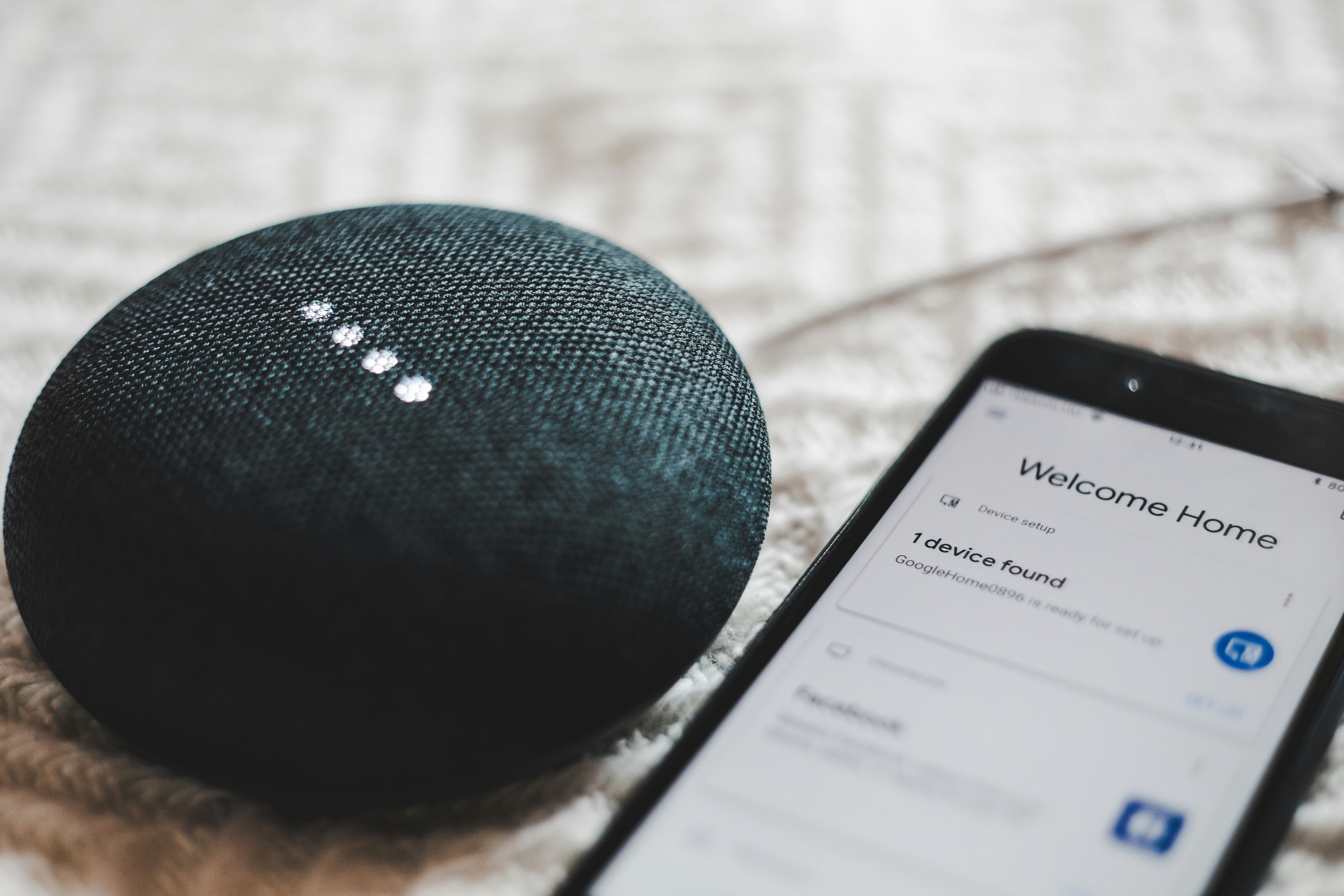
Start With How You’ll Use It
Before comparing models, think about what you want your smart speaker to do most often. Some people mainly use it for music, while others rely on it for timers, reminders, weather updates, or smart home control. Identifying your primary use helps narrow down options quickly.
Sound Quality for Everyday Listening
Sound quality varies widely between smart speakers. Smaller speakers work well for kitchens or bedrooms, while larger models provide richer sound for living rooms. If music is a priority, look for balanced sound with clear vocals and enough bass to fill the space without distortion.
Voice Assistant Compatibility
Different smart speakers use different voice assistants, and compatibility matters. Consider which ecosystem you already use for your phone, apps, and smart home devices. Choosing a speaker that integrates smoothly with your existing setup improves reliability and reduces frustration.
Smart Home Control Features
Smart speakers often act as hubs for smart home devices. If you use smart lights, plugs, thermostats, or security devices, check compatibility before buying. Voice control works best when devices respond quickly and reliably to simple commands.
Placement and Home Coverage
Speaker placement affects both sound and voice recognition. Open spaces benefit from larger speakers, while smaller rooms need compact models. Some households use multiple speakers to extend coverage and create consistent sound throughout the home.
Privacy and Control Settings
Privacy is an important consideration. Most smart speakers include controls for muting microphones, managing voice recordings, and adjusting privacy settings. Understanding and customizing these options helps you feel more comfortable using voice features daily.
Ease of Setup and Daily Use
A good smart speaker should be easy to set up and simple to use. Clear voice recognition, fast response times, and intuitive controls make daily interactions smoother. Complicated setups reduce long-term satisfaction.
Extra Features That May Matter
Some smart speakers include displays, allowing for visual information like recipes, calendars, or video calls. Others focus purely on audio. Decide whether additional features add value or create unnecessary complexity.
Durability and Design
Smart speakers are often visible in the home. Design, size, and build quality matter if the device will sit on a counter or shelf. Neutral designs tend to blend easily into different spaces.
Price vs. Practical Value
Affordable smart speakers cover basic needs well. Higher-priced models usually offer better sound quality or additional features. Focus on how the speaker fits your routine rather than paying for features you may not use.


__thumb__250x250__70__9688f41253acc8d9e5aa76130c6900c9.jpg)