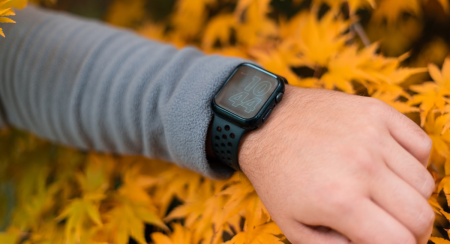



1. What Healthy Monitoring Really Means
For everyday use you’re not looking for pro-athlete training tools, you’re looking for capability that fits real life:
-
Steps and activity: How many moves, how often you’ve been sedentary.
-
Heart rate monitoring (24/7): Resting heart rate, elevated HR during activity, cooldowns.
-
Sleep tracking: Total sleep time, deep vs light sleep, consistency.
-
Recovery insight (optional): Sleep quality + HR variance = readiness to move.
-
Battery & comfort: You’ll wear it every day. It must feel good and stay charged.
Experts say these are the core features worth paying attention to. (Verywell Fit)
2. Key Specs to Prioritise
When comparing models, focus on:
-
Heart-rate sensor accuracy. Bad HR readings = misleading data.
-
Battery life & charging: If you’re charging every night it becomes a chore.
-
Comfort & wear-time: If it’s bulky or uncomfortable you’ll skip wearing it.
-
Software/app experience: Data should be easy to read, meaningful, and actionable.
-
Lifestyle fit: For swimmers you’ll want waterproofing; for runners you might need GPS.
Quality reviews emphasise comfort and tracking accuracy above flashy extras. (WIRED
3. Everyday vs. Athlete Modes
-
Everyday tracking is about consistency: daily steps, standing up, sleep regularity.
-
Athlete/multi-sport tracking adds GPS, advanced metrics, training plans.
If you’re not training for an ultra-marathon, you can skip some pro features and save money. The key is meaningful everyday data, not feature overload.
4. Real-World Top Picks (2026)
Here are some strong choices across budgets and uses:
-
Fitbit Charge 6 – A standout for everyday tracking with good sensors, solid battery, and a manageable design. (Android Authority)
-
Garmin Vivoactive 6 – A more advanced option with extra sport features, but still wearable day-to-day. (Garage Gym Reviews)
-
Amazfit Band 7 / Active 2 – Excellent value for the basics: activity + sleep + good battery. (Verywell Fit)
-
Oura Ring Gen4 – For minimalists who want health data in a ring form factor (less strap, more subtle). (GQ)
5. Avoiding Common Pitfalls
-
Beware of trackers with poor software support or update life < 2 years.
-
Don’t assume high price = perfect accuracy. Build + sensor quality matter.
-
If you rarely wear it or skip syncing, it’s just an expensive bracelet.
-
Check comfort: if strap irritates you, you’ll ditch it.
6. Making One Work for You
-
Wear it consistently: All day + sleep for best insights.
-
Review your data weekly, not just daily. Look for patterns.
-
Use it to trigger change: If you’ve been sedentary too long, walk. If your sleep is bad, maybe shift bedtime earlier.
-
Reset expectations: It won’t replace a coach, but it will inform your choices.
__thumb__250x250__70__a294efff8704949fb1e773c69b870e5f.jpg)